|
Lady Camera Guy MAY Newsletter ͏ ͏ ͏ ͏ ͏ ͏ ͏ ͏ ͏ ͏ ͏ ͏ ͏ ͏ ͏ ͏ ͏ ͏ ͏ ͏ ͏ ͏ ͏ ͏ ͏ ͏ ͏ ͏ ͏ ͏ ͏ ͏ ͏ ͏ ͏ ͏ ͏ ͏ ͏ ͏ ͏ ͏ ͏ ͏ ͏ ͏ ͏ ͏ ͏ ͏ ͏ ͏ ͏ ͏ ͏ ͏ ͏ ͏ ͏ ͏ ͏ ͏ ͏ ͏ ͏ ͏ ͏ ͏ ͏ ͏ ͏ ͏ ͏ ͏ ͏ ͏ ͏ ͏ ͏ ͏ ͏ ͏ ͏ ͏ ͏ ͏ ͏ ͏ ͏ ͏ ͏ ͏ ͏ ͏ ͏ ͏ ͏ ͏ ͏ ͏ ͏ ͏ ͏ ͏ ͏ ͏ ͏ ͏ ͏ ͏ ͏ ͏ ͏ ͏ ͏ ͏ ͏ ͏ ͏ ͏ ͏ ͏ ͏ ͏ ͏ ͏ ͏ ͏ ͏ ͏ ͏ ͏ ͏ ͏ ͏ ͏ ͏ ͏ ͏ ͏ ͏ ͏ ͏ ͏ ͏ ͏ ͏ ͏ ͏ ͏ ͏ ͏ ͏ ͏ ͏ ͏ ͏ ͏ ͏ ͏ ͏ ͏ ͏ ͏ ͏ ͏ ͏ ͏ ͏ ͏ ͏ ͏ ͏ ͏ ͏ ͏ ͏ ͏ ͏ ͏ ͏ ͏ ͏ ͏ ͏ ͏ ͏ ͏ ͏ ͏ ͏ ͏ ͏ ͏ ͏ ͏ ͏ ͏ ͏ ͏ ͏ ͏ ͏ ͏ ͏ ͏ ͏ ͏ ͏ ͏ ͏ ͏ ͏ ͏ ͏ ͏ ͏ ͏ ͏ ͏ ͏ ͏ ͏ ͏ ͏ ͏ ͏ ͏ ͏ ͏ ͏ ͏ ͏ ͏ ͏ ͏ ͏ ͏ ͏ ͏ ͏ ͏ ͏ ͏ ͏ ͏ ͏ ͏ ͏ ͏ ͏ ͏ ͏ ͏ ͏
|
|
LADY CAMERA GUY celebrates the creativity, skills, and passion of remarkable women cinematographers around the globe. |
|
Welcome back, Lady Camera Guys!It’s hard to believe we’re already on Issue #3. Whether you’re a longtime reader or just joining us, I’m so glad you’re here. This newsletter is for the women and nonbinary camera operators out there — the ones balancing rigs on their shoulders, riding dollies, flying drones, and operating Steadicams on set every day. Camera operating can feel like an island sometimes, and my hope is that this newsletter makes the community feel a little less lonely and a lot more connected. This time around, we’re spotlighting a truly special organization: Hollywood Cinema Production Resources (Hollywood CPR), a nonprofit doing incredible work to make the industry more accessible for the next generation of camera crew. I’m also thrilled to feature cinematographer Erin Ranney, whose wildlife cinematography work has captured everything from the depths of the sea to national parks across the US. In our Ask Me Anything, I’m tackling a question nobody seems to want to talk about out loud: why you should actually apply for unemployment between gigs (yes, really — and no, it’s not cheating the system). Our Gear column is all about shooting from the hip — when to do it, how to do it well, and why it’s a skill worth sharpening whether you operate on narrative, doc, or live. I’m also recommending a book that should be on every camera department’s shelf (The Grip Guide), a documentary that will stop you in your tracks (Never Look Away), and two podcasts I can’t stop recommending: Aart, which features women artists across disciplines including some great cinematographers, and Call Time, which centers on women in film and television, many behind the camera but all on set. Both are hosted by Chris Stafford, and both have been keeping me company on long drives to set. And as always, scroll to the bottom for the calendar of upcoming events, deadlines, and opportunities worth putting on your radar. Speaking of which — this newsletter works best when it’s a two-way conversation. Please send me your questions for future Ask Me Anything columns, and if you have events, workshops, screenings, or deadlines you’d like included in the calendar, shoot those over too. I want to hear from you. Thanks for reading, for sharing, and for making room for more women behind the operator’s wheels. Let’s get into it. xo, G
|
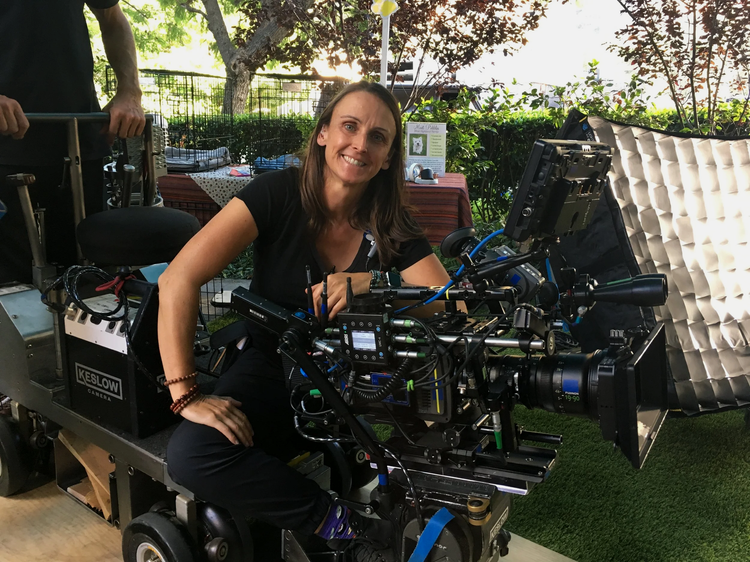
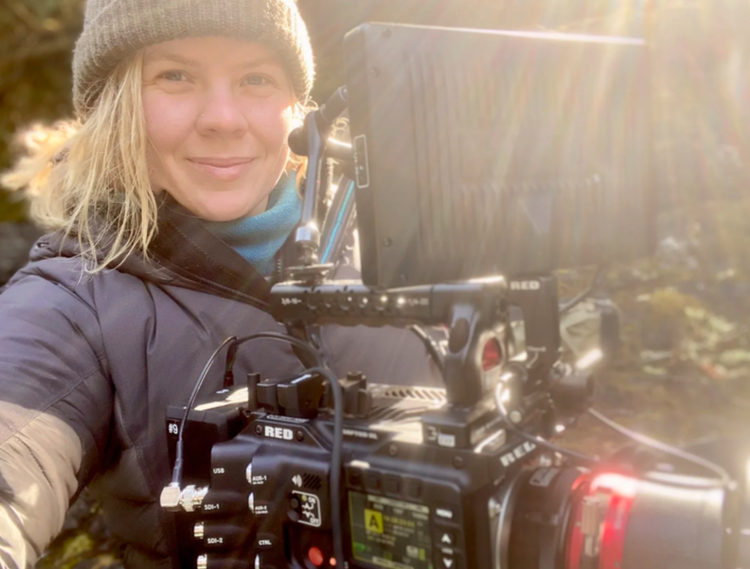
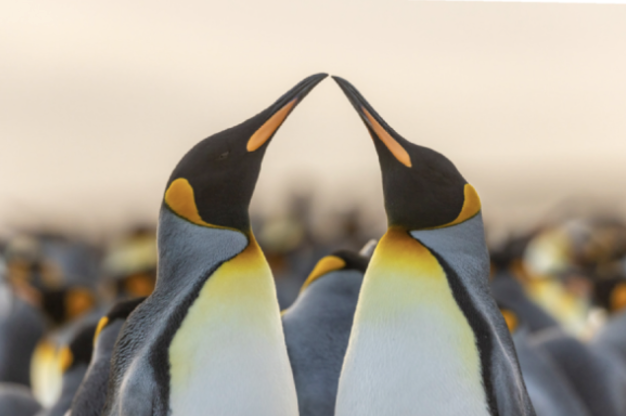
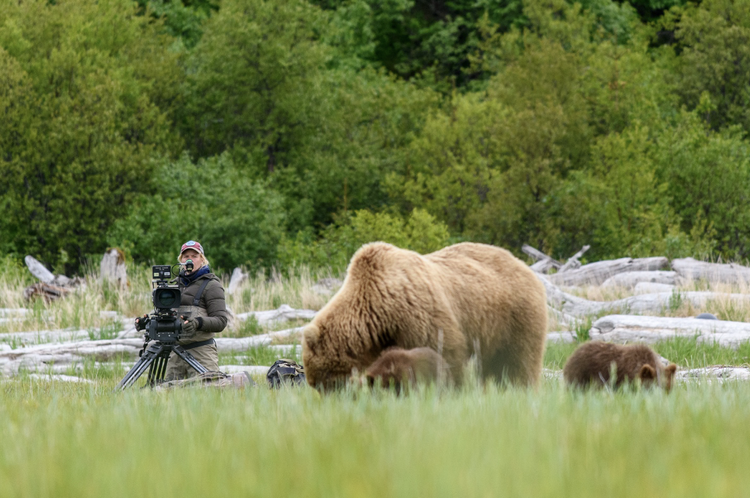
From Chicken Trophies to the Deep Sea: The Unlikely Path of Erin RanneyErin Ranney didn’t grow up dreaming of cameras. She grew up outside — chasing animals, hauling nets in Bristol Bay, and racking up golden chicken trophies in 4H for nearly a decade. (Yes, she was a chicken showing champion. Yes, there are many trophies.) Wildlife was always her world. Film just hadn’t entered the picture yet. She enrolled at Washington State University to become a veterinarian, didn’t love it, and switched to Wildlife Ecology after a chance encounter in a fly fishing class with a grad student who studied lynx. After graduating, she took a field technician job in the rainforests of Madagascar and packed, almost as an afterthought, a little blue Pentax from Costco. That camera changed everything. She came home with images, shared them with her mom’s class, and had her “a-ha moment.” She applied to graduate programs in wildlife documentary production in England — got rejected by her first choice, accepted by Salford — and moved abroad for the first time. She also, while there, ran a marathon in a rhino costume and has since retired from running. Back in the US, she applied for a deep-sea video engineering internship with Dr. Robert Ballard’s exploration vessel Nautilus. She didn’t think she had a shot. She applied anyway. That decision launched nearly a decade of deep-sea work, operating live cameras on ROVs at depths of 4,000 meters — a discipline most wildlife cinematographers never touch. She’s still grateful she sent that application. From there, the career built the way most do in this industry: interning, assisting, grinding other jobs to keep the freelance life afloat, and practicing constantly. Today Erin shoots for BBC, IMAX, PBS, Smithsonian, Disney+, and National Geographic. Recent credits include the Nat Geo/Disney+ series Queens (watch the BTS here), Secrets of Penguins, and Underdogs — and her team just won an Emmy for Outstanding Cinematography on National Geographic’s National Parks: USA. She was selected for the 2025 ASC Vision Mentorship Program. Her deep-sea work has continued too: she’s filmed ROV work for BBC’s upcoming Blue Planet III. She also self-funded and produced My Alaskan Journey with Jack Johnston, a film following family stories across Alaska after six months of remote fieldwork, coming to Alaska Public Media in 2026. She still fishes Bristol Bay every summer. And she got married on a beach in the Falkland Islands — with penguins in attendance — to her husband, whom she met while working on a sailboat in the South Atlantic. She’s also done some on-camera work — she was a presenter and cinematographer on Planet Defenders, a children’s conservation series for CBBC filmed in the Falkland Islands on rockhopper penguins, and appeared in the Queens episode ‘Behind the Queens,’ which sent her on a press tour that included New York Fashion Week, the Hollywood premiere, and the White House. One more thing worth knowing about Erin: she has become one of the more candid voices in the industry about the practical, unglamorous realities of fieldwork — periods in the field, the questions younger camera people are too embarrassed to ask, the behind-the-scenes stuff that rarely gets discussed. Her favorite panel she’s ever done, “Sips and Tips” at Wildscreen, centered on exactly that. If you want a community where it’s safe to ask the real questions, she’s been building one. She’s also shared her field-tested period kit on her website — the full what, why, and how of managing your period in remote locations: erinranney.com/field-notes.
|
|
Erin’s Organization Spotlight Wildlife Camera Women & the Wildlife Cinematographer Diversity Fund What started as a Facebook group has become one of the most active professional communities in natural history film — and now, a nonprofit. Erin co-founded Wildlife Camera Women alongside UK-based producer and director Sarah-Jane Walsh. A natural history specialist with a decade of experience directing sequences for BBC and Netflix, Sarah-Jane brings far more to this community than a producer title. She’s a self-shooter, a drone pilot, an HSE Media-qualified dive supervisor with over 20 years in the water, an IRATA rope access qualified rigger, and holds remote first aid certifications across jungle, mountain, and underwater environments. She’s been a hands-on ally for women in the industry for years — pushing from the inside — and that ethos is baked into everything the community does. Together, she and Erin built Wildlife Camera Women as a dedicated space for women and gender minorities working in the camera department of natural history film and TV. The purpose was practical from the start: a place to talk gear, rates, showreels, and the career realities that don’t get covered in mainstream industry forums. It’s built for people pursuing professional cinematography careers, not hobbyists passing through. For more than three years, the Wildlife Camerawomen Community provided resources, classes, and workshops to current and aspiring wildlife cinematographers. As the group grew, so did the need for real infrastructure. A volunteer-run social group could only do so much. So they built something more permanent: the Wildlife Cinematographer Diversity Fund, a 501(c)(3) nonprofit offering industry networking, in-person and virtual masterclasses, free training, and mentorship for cinematographers from underrepresented groups and backgrounds. The vision behind the WCDF is bigger than career support. The organization believes that bringing diverse voices into natural history film has consequences beyond the industry itself — that cinematographers with different backgrounds and connections to place will tell different stories, reach different communities, and ultimately help protect more of the natural world. Representation isn’t just an equity argument. It’s a conservation argument. As Marian Wright Edelman wrote: “You can’t be what you can’t see.” The WCDF is working to change what’s visible. See Erin’s work here. And follower her on Instagram @e.ranney
|
|
|
The Union Card Starts Here: Inside Hollywood’s Best-Kept Training Secret For nearly 30 years, Hollywood CPR has been quietly building the crews behind your favorite productions. Every film set, every live event, every television production you’ve ever watched was made possible by a crew — grips, gaffers, art directors, camera operators — most of whom you’ll never see or hear about. For nearly three decades, Hollywood Cinema Production Resources (Hollywood CPR) has been training the people who fill those roles. Built by unions and backed by studios, Hollywood CPR is an IATSE-signatory workforce training program that operates at the actual pace and standard of professional productions. Led by working union department heads, its programs combine hands-on instruction, mentorship, and supervised on-set experience — the real-world trifecta that turns aspiring crew members into working professionals. “90% of Hollywood CPR graduates remain active in their IATSE union after 15 or more years.” — Hollywood CPR That number — 90% retention after 15-plus years — is remarkable in any industry. In Hollywood, where careers live and die by reputation and relationships, it reflects something deeper than good training. It reflects the kind of professional foundation that actually sticks. Hollywood CPR partners directly with IATSE and the Alliance of Motion Picture and Television Producers (AMPTP), giving graduates a direct pathway into union careers built on trust and demonstrated skill. HOW IT WORKS Hollywood CPR isn’t a film school, and it’s not for beginners looking for a quick intro class. It’s a serious craft training and job placement pipeline designed for people ready to pursue behind-the-scenes work as a professional career. Candidates need a portfolio, on-set experience, and industry professionals willing to vouch for them before applying. For those earlier in their journey, Hollywood CPR partners with community colleges and pipeline organizations to offer FLM PRD 100 — a structured entry point into how the Hollywood hiring system actually works. Students learn set culture, explore different crew departments, build foundational skills, and begin forming relationships with working professionals. Most participants who start from zero begin successfully freelancing on non-union productions within six to nine months. Already working in the industry? Hollywood CPR helps translate non-union experience into an industry-recognized portfolio, paired with cohort-based guidance on documentation, evaluations, and endorsements — the building blocks for qualifying for IATSE craft training and placement opportunities. High school students can start through approved LAUSD magnet programs like the Roybal Film and Television Magnet. And California residents may qualify for two free years of college through the College Promise Program — making this an unusually accessible on-ramp to a well-paying union career. If you’ve ever wondered how real careers get built in Hollywood — not the acting kind, but the essential behind-the-scenes kind — Hollywood CPR is where that story often begins. |
|
You Earned It: Why Entertainment Workers Should File for UnemploymentThe usual questions I receive are about getting into the business, how to get a job, whether to go to film school and where to find information to help get ahead. My answer to most of those questions can be answered on my website www.ladycameraguy.com but, this month I received a question about the ethics of filing for unemployment between jobs. Personally, I am pro-unemployment. It’s a huge help for freelance workers. Let's dig into the history of unemployment and go from there. Unemployment insurance in the United States was created by the Social Security Act of 1935, signed by President Franklin D. Roosevelt, to help stabilize the economy. The logic was simple: if people don't have money to spend, they are not fueling the economy by buying goods and services. Unemployment is meant to help consumers keep the economy moving during the in-between times. Think of it this way — our employers basically hire seasonal employees (that's us). They pay into the unemployment pool knowing that our jobs will end and we will need a bit of help before our next gig. Employers expect us to claim. The unemployment pool is entirely separate from welfare and is meant specifically for workers who have lost their jobs through no fault of their own. If the money is not given to the unemployed, it simply sits unused. THIS SYSTEM WAS BUILT FOR YOU If you work in film, television, theater, or music, you know that your career is project-based. You are hired for a show, a season, or a shoot — and when it wraps, your job ends. This is not failure. This is the nature of the business. The feast-or-famine cycle is not a personal shortcoming; it is simply how the entertainment industry operates. Entertainment industry employers — studios, production companies, networks, and venues — pay into the unemployment system specifically because they know their workforce is cyclical. Filing a claim is not just acceptable; it is the intended use of the system. The money was set aside for this exact situation. When you file, you are using a resource that was funded on YOUR behalf. LET’S TALK ABOUT THE STIGMA Many entertainment workers hesitate to file because unemployment carries a welfare stigma. It shouldn't. Unemployment insurance is not a government handout — it is an insurance program that workers and employers fund together over time. You earned access to it through your work. Unions including SAG-AFTRA, IATSE, the Teamsters, and the WGA have long encouraged members to file between projects. In the entertainment industry, it is considered standard professional practice, not a last resort. DON’T TALK YOURSELF OUT OF IT Many entertainment workers talk themselves out of filing because they expect their next job to come through quickly. Here is the important thing to know: there is no penalty for filing and then returning to work sooner than expected. Benefits simply stop when income resumes. There is no downside to filing promptly. Every week you delay is money left on the table that was set aside specifically for you. FILE SMART. WORK SMART. Filing for unemployment is not a sign that your career is in trouble. It is a smart, responsible move that keeps you financially stable so you can hold out for the right job rather than taking anything out of desperation. It gives you the breathing room to stay in your craft. Think of unemployment benefits as a professional tool — one that helps you make better career decisions and keeps the industry's most talented workers doing what they do best.
|
|
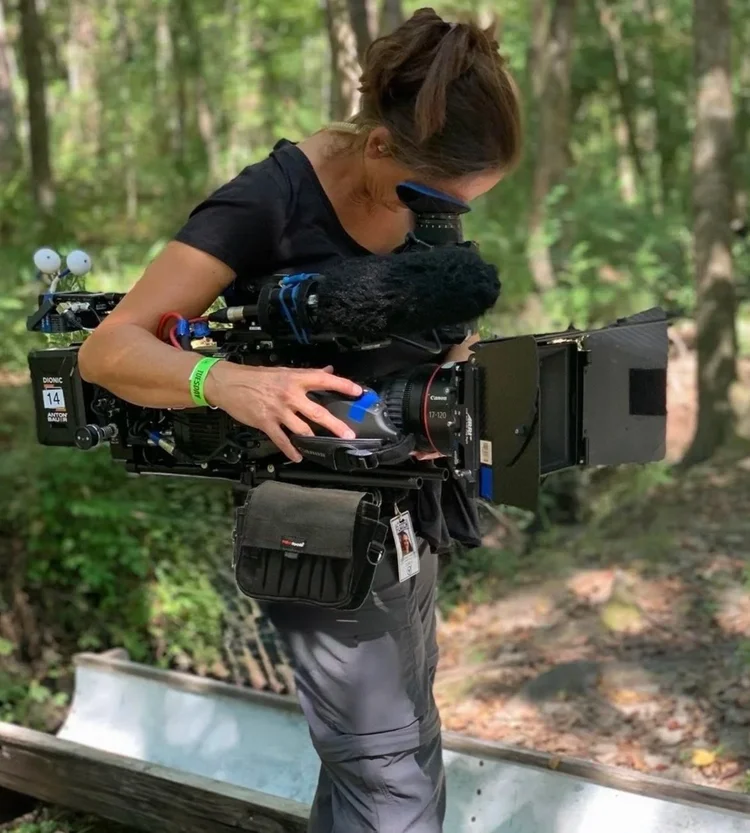
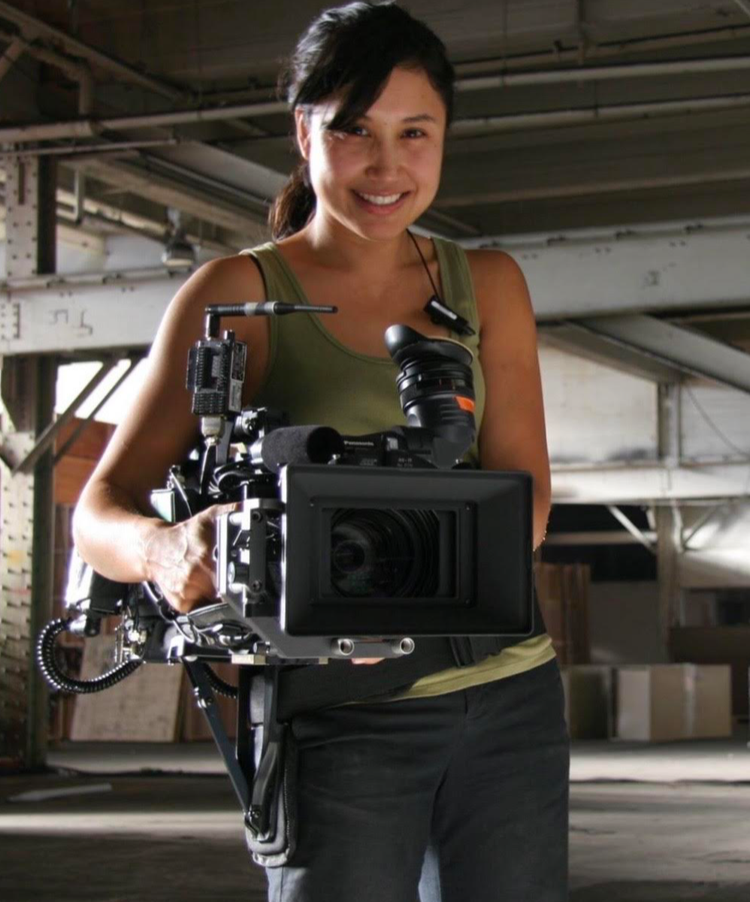
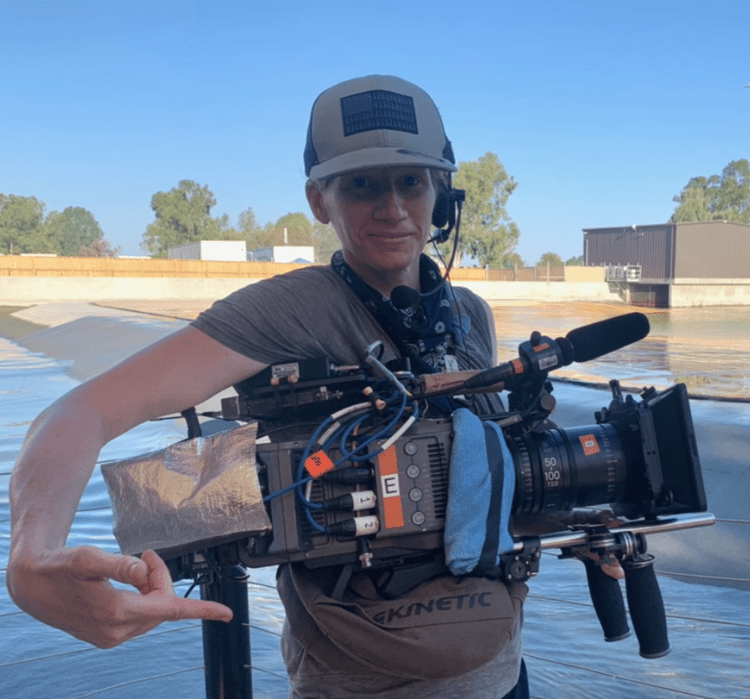
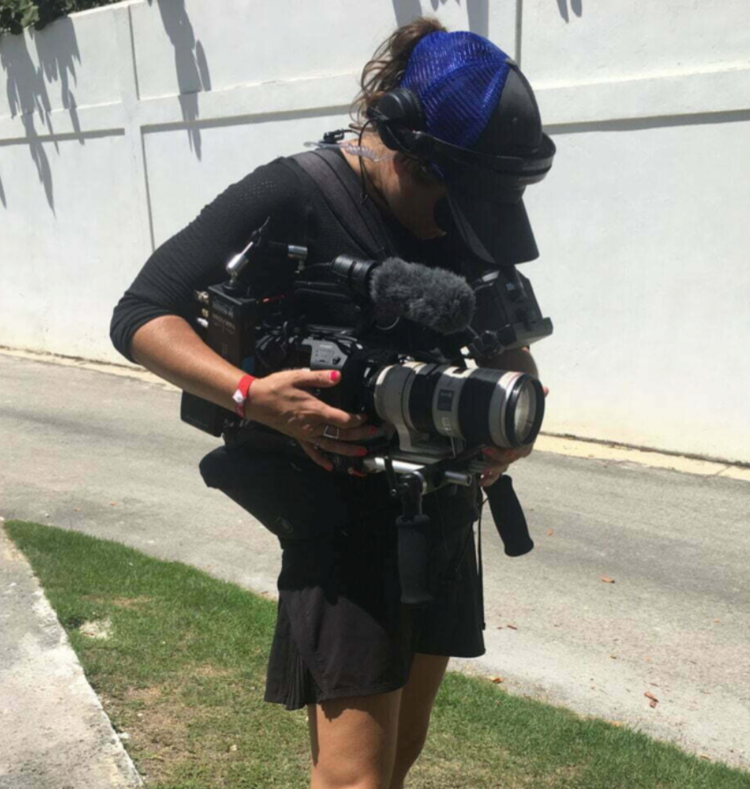
When I began shooting on Real World Seattle, operators would shoot from the hip for scenes where people were sitting, often using AC pouches to balance the camera. Over the years I have come across many versions of this type of shooting: AC pouches, which are great because you can store all sorts of things in them; the beloved HipShot, which folds away when not in use (now only available used); cine-saddle type bags, which are great for narrative and controlled documentary; and waist-mounted baby hip seat carriers, which are ergonomically designed and come with storage like an AC pouch. I am a big fan of shooting from the hip for many reasons.First, hip shooting saves my shoulder, reduces potential injury, and has prolonged my career. Taking a knee to get eye level with subjects becomes uncomfortable after a few minutes, and it's also hard to move if the people move or if I want to change angles without standing up or awkwardly sliding around on my knees. This not only breaks the shot but can be distracting to whoever I am shooting. Sitting on an apple box or chair isn't always possible, and when it is, it locks me to one spot and makes repositioning bumpy. Shooting from the hip makes moves, transitions, and sustaining a lower angle easy to achieve. It takes practice, but once mastered, it's a real body saver. I would also like to point out the physics of shooting from hip level. The body's "one point" is the belly button — the most stable area of the body, offering the most stable shot with less sway than shoulder height or taking a knee. Hip level also allows for 360-degree, unobstructed viewing of everything else going on in the room, which is invaluable for documentary and unscripted operators. Below are the tried and true methods myself and other shooters have used over the years:
|
|
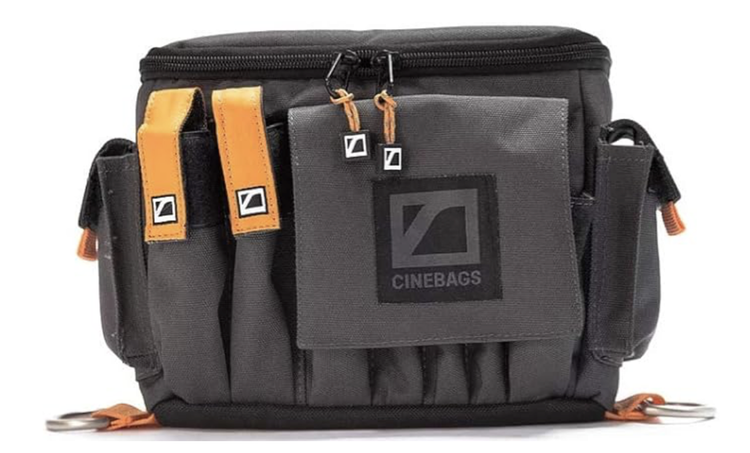
__________________________________________________ Jumbo AC Pouch
|
|
|
There are MANY versions of this pouch from the top-of-the-line versions from Filmtools and Cinebags to lower end Setwear and Openmoon versions. If you are going to be using this pouch to support a camera, I recommened buying one of the Filmtools or Cinebags versions. |
|
|
|
|
|
|
|
PRO TIP: I sew a strong metal ring under the nylon loop and use an S-Biner to secure the top of the pouch so it won’t fly open while I am running (IYKYK!). _________________________________________________ HipShot: Created by Operator Andrei Cranach |
|
|
|
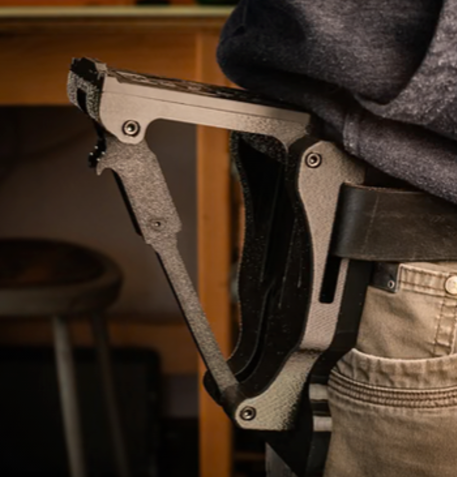
The HipShot is a tool for professional handheld camera operators that offers a stable waist- high video camera support platform. It is contoured to fit all pro-format shoulder mounted cameras as well as DSLR rigs. Stable camera operation is possible with just one hand, it’s ideal for long scenes with seated subjects, low-angle interviews, or where on-the-fly operation is desired. HipShot’s positive auto-lock keeps cameras safely supported and when not in use, HipShot easily folds down out of the way. Andrei has stopped making the beloved HipShot. To find your HipShot you will need to search the internet, or borrow from a friend. Well worth the search. ___________________________________________ HipShooter from Krap! Aka Kelsey Rocks Allen Plastic! |
|
|
|
Based on the now out of business Hipshot, this was made for someone who lost their HipShot and couldn't find a replacement anywhere. At 13oz this won't weigh you down over a long day of shooting and will help you get the shot you want. Made from PETG with soft TPU for the camera platform and the side interfacing with your hip. I've tested it up to 75lbs. Buy From Krap! |
|
|
_________________________________________ Beanbag style slings
|
|
|
CineSaddle is the industry standard, but expensive. The Sakk and Openmoon are lower cost alternatives. While these bags are primarily used as a replacement for a high-hat, when shoulder slung to a lower level they can get stable lower shots. ________________________________________ Baby Hip Seat Carriers |
|
|
|
Not as common, but very slick, are baby hip seat carriers. Hippy Chick makes, “The Best Baby Hip Seat Carrier - Loved By Parents (& Camera Operators?!) worldwide.” A baby hip seat carrier, which has been saving the backs of millions of parents worldwide, has been fast gaining traction for a more unlikely kind of cargo...cameras! The Hipseat has been a game-changer for parents, allowing them to carry their child in a comfortable and ergonomic way without putting strain on their back. No other product out there has been ergonomically designed for a purpose which mirrors hip shooting. Everything else has been cobbled together, or repurposed, and not designed for operator safety. Purchase at Hippy Chick |
|
|
|
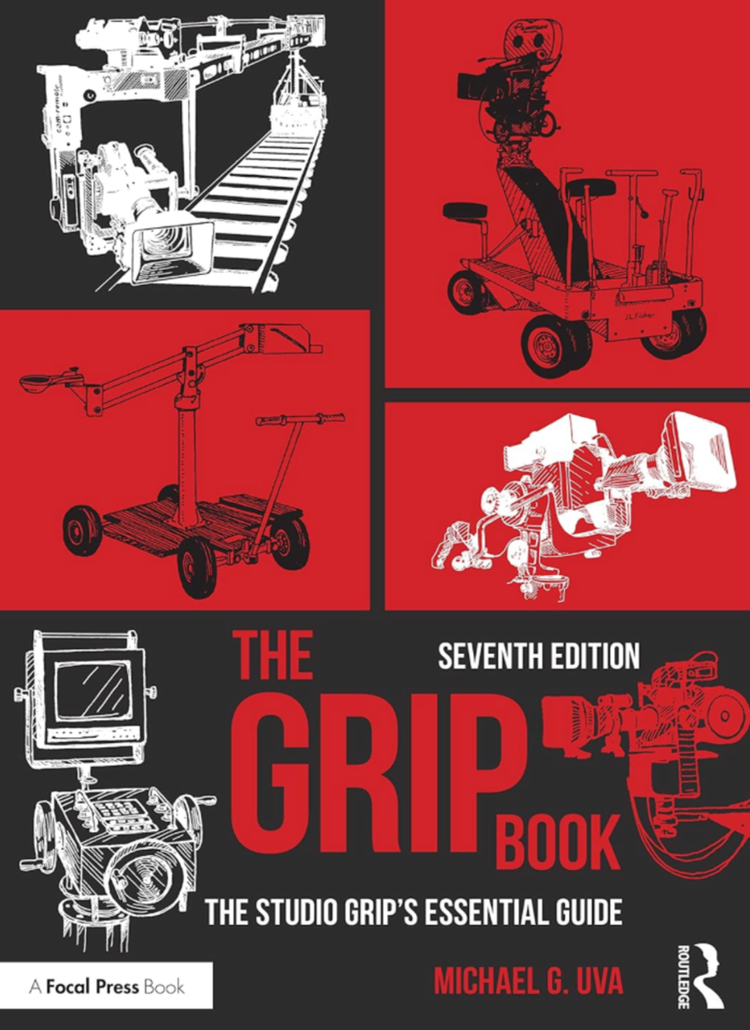
The Grip Book by Michael G. Uva Of all the items on set, I would have to say that grip gear is your biggest friend and the thing you are least likely to really dig into. Take the Century Stand aka the C-Stand for example. It’s heavy, awkward and can be irritating. But the reason it’s called a Century Stand is because it will take you a century to master all the ways it can be useful to you. How to set a C-Stand is easy, but when done wrong, it can hurt people very badly. Complete use of all the grip gear is an art few master. However, simple gear, like the C-Stand and setting an arm, is something we will all have to learn and use in our careers. The Grip Book has been an industry standard book for information on all things grip since 1988. It is well worth the price and an essential resource for anyone working on set in any department. This seventh edition has been updated to include the latest technology, further explanations of equipment and how to use it for those new to the role, a new chapter on working as a grip on virtual sets. Seasoned Hollywood grip Michael G. Uva teaches you to install, set up, maintain, and ensure the safety of all equipment on a set, such as C-stands, cameras, and any specialty gear needed for a shoot. Expanded content on navigating the set, including set etiquette and how to succeed as a technical crew member, will jump-start your career and make you a valuable asset on any film or television crew. Other features include technical expertise on maintaining the latest and greatest filmmaking equipment; a self-test section containing over one hundred questions and answers; a comprehensive appendix containing a robust glossary of insider and equipment terms; and guidelines on what a grip must be physically able to perform in their day-to-day duties. PURCHASE THE GRIP BOOK HERE In addition to The Grip Book, I would like to recommend following @girlsjustwannaloadtrucks for all of their Brooklyn NY get togethers and trainings. Part of the Girls Just Wanna Load Trucks crew is Nica Fazio @nica.fazio who has a fabulous IG series Quiet on Set (but not me) where she shows tips and tricks for starting out as a Grip as well as using all types of grip gear. |
|
|
|
|
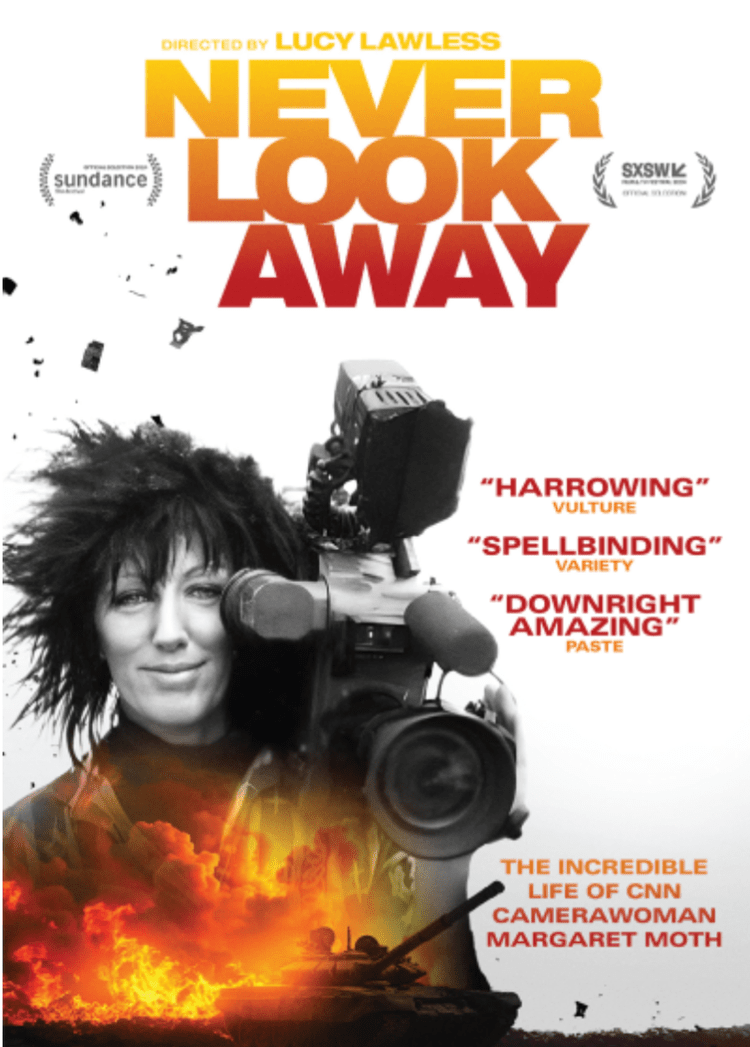
“Never Look Away”Directed by Lucy Lawless After watching CNN’s “No Ordinary Life,” I found myself wanting to know more about the women video journalists featured in that film. My research led me to “Never Look Away,” a documentary feature directed by actress Lucy Lawless that chronicles the extraordinary life of camerawoman Margaret Moth. This is one of those rare biographical documentaries that gets it right — rich with archival footage from Margaret’s life and behind-the-scenes material from her years as a journalist. It’s the kind of film that is difficult to describe without underselling it. Fortunately, Cath Clarke captured it beautifully in a November 2024 piece for The Guardian: When TV news camerawoman Margaret Moth was shot through the face by a Serbian sniper in Sarajevo in 1992, her CNN colleagues were told it was touch and go. One medic said her face was so badly injured it might be better if she died. But not only did Moth survive — she went back to the frontline. “She didn’t do less war after she was shot,” remembers one colleague and friend. “She did more.” This documentary about her life, directed by the actor Lucy Lawless, is a fascinating portrait of a woman who had two mottoes: “no regrets” and “don’t be boring.” — Cath Clarke, The Guardian, November 2024 With jet-black hair, thick eyeliner, and army combat boots she slept in on the job, Moth looked more like a punk singer than a camera operator. Born and raised in New Zealand, she legally changed her name from Margaret Wilson to Margaret Moth in her 20s — and went to court for her right to be sterilized, declaring simply: “I’m not a breeder.” She became the first female news camerawoman in New Zealand, then moved to the United States, where she spent weekends skydiving, running with long-haired hippies, and dropping acid (there’s old home footage to prove it). Eventually CNN hired her, and Moth’s fearless, take-no-prisoners attitude won her fans at the highest levels — during the 1990 Gulf War, she smoked cigars with General Norman Schwarzkopf. Watch Now Trailer: Watch on YouTube Full Film: Stream on Amazon Prime Video |
|
|
This issue I am going to pivot away from camera specific podcasts and focus on two podcasts by the same woman which focus on women in the arts and women behind the camera. The reason I love these two podcasts is that they are not technical, they take a deeper look into who the women are as artists, their journeys from childhood to present day, what makes them tick. No other podcast I listen to dives this deep to connect the listener on a more personal level.
|
|
|
The longest running of these is The AART Podcast (hosted by Chris Stafford) . Aart is a interview series dedicated entirely to women in the visual arts. Stafford talks to women artists from across mediums and around the world, with conversations that are intimate and free flowing, tracing the journeys these women have taken to become successful artists. The focus is biographical and personal — process, inspiration, and the lived experience of making art as a woman — rather than technical deep dives. While AART casts a wide net across the visual arts, it features many women behind the camera in film and television. AART: Women in the Arts |
|
|
|
Call Time (also hosted by Chris Stafford) is an industry-specific companion podcast that lives squarely in the film and television world. Call Time focuses on the women on set — filmmakers, cinematographers, DPs, camera operators, actors, makeup artists, and costume designers — sharing their stories from childhood through career highlights, including the highs and lows of navigating the industry. Featured cinematographers include: Ellen Kuras, ASC, Shana Hagan, ASC, Alicia Robbins, ASC, Sarah Thomas Moffat, Jeanne Tyson, Gretchen Warthen, Kire Godal, Chris Wairegi, Theresa Vitale, Annemarie Lean-Vercoe, Mia Cioffi Henry, Ashlea Downes, Ghitta Larsen, Christina Dobre, Nathalie Lasselin Call Time: Women in Film & TV |
|
LCG May CalendarUpcoming Events May 1 All Hands on Deck: Rigging & Lighting with Nica Fazio & David Persaud · 2–8 PM S.E.P.S. Backlot, 1090 Rodgers St, Savannah, GA @southeasternproductionservices May 4 2026 BSC Mentorship Scheme — Application Deadline 6–12 month program · United Kingdom bscine.com/mentoring May 16 J.L. Fisher BBQ & Industry Mixer 1000 W. Isabel St, Burbank, CA jlfisher.com/events May 30–31 Deep-Light Mentorship with Natasha Braier, ASC deep-light.com/mentorships Jun 5–6 Cinegear LA Universal Studios Lot, Burbank, CA cinegearexpo.com/la-expo Jun 10 I Crew NY 7 PM · 509 W 38th St, New York, NY @icrewny Jul 6–11 Rock N' Roll Camp for Girls LA — Music Video Program Los Angeles, CA werock.la/music-video-program LOCAL 600 UNION EVENTS - ALL MONTH icg600.com Geared Head Simulator Training New York Office Apr 30 Yoga For You New York Office May 1 May Day Rally Los Angeles, Atlanta & Chicago May 3 IATSE Blood Drive Los Angeles May 17 Wireless Training Virtual Jul 1 Eddie Marks Scholarship — Application Deadline
|
|
Please visit www.ladycameraguy.com for additional resources, gear recommendations, trainings, workshops and more. Please follow us on INSTAGRAM at @ladycameraguy and learn about the amazing women cinematographers around the world. Thank you for being a part of our community!
|
|
|
|